
Several years ago I began learning the principles of process improvement, which is a way of evaluating systems and designing them to do what you actually want them to do. One of the huge lightbulb moments I had when I was first introduced to the concepts of PI was that all systems, every single one, work exactly the way they’re designed to work.
Of course on its face that sounds insane. There are so many systems that produce terrible, inefficient and even harmful results. How can I suggest they’re working correctly? This is where the big lightbulb comes in. If a system is producing an outcome you don’t want, then you have to design a different system, one designed to produce the outcome you want. The negative outcome is coming from a system that is, regardless of the intent of those that run the system, perfectly designed to produce that specific negative outcome.
I’ve been thinking about this a great deal as the situation in Texas has been unfolding. The power grid collapsed in the face of record low temperatures leaving millions without power or water or food. Every day the death tally grows as politicians point fingers and there has been understandable outcry from Texans and Americans demanding to know how this could happen.
Whenever we’re faced with catastrophes of this magnitude, there’s a great clamour to know what went wrong. How did the system fail? How do we make sense of all this? What’s really clear to me is that the Texas energy market and power grid system did exactly what it was designed to do. It’s just that most Texans had a fundamental misunderstanding of what the system and its priorities were.
The Texas power industry is not designed to provide power to all citizens of Texas at reasonable prices even while under duress from Mother Nature. The Texas power grid is not designed to keep people from freezing to death in their homes. It seems like that’s what power grids should be for. It’s reasonable to think that’s what power grids are for. But that’s not what the Texas power grid system was designed to do.
The Texas energy market and power grid is designed to make money for some people while avoiding as much federal regulation as it can get away with. That’s its primary function. Providing power to people is one of the ways the people in charge of the system go about achieving their primary goal, but it is not their primary goal. Of course there are other goals too, goals that may also take precedence over providing power to people, such as propping up the oil and natural gas industry. Oil and natural gas are a huge part of the economy of Texas, so naturally politicians and businesspeople in Texas would want to create a market for it. If we could heat our homes with apples, Washington state might do the same thing.
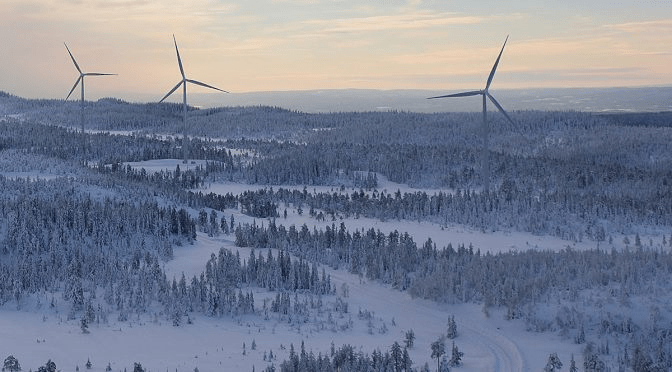
It matters to think about how systems are designed, because it helps make sense of what unfolds when things start to go very wrong. If you understand that that propping up the oil and natural gas industry of Texas is a more important goal to the Texas power industry than keeping people alive and safe during a blizzard it becomes clear why early news about the crisis was framed by politicians and business leaders blaming windmills for the crisis (windmills make up about 10% of the Texan power supply and were not to blame for the collapse of the system). The priority at that moment was not getting back online, or getting heat to people’s homes, but protecting oil and gas futures.
Seen in this way, it becomes clear that the system, in fact, worked perfectly for it’s primary purposes. As citizens of Texas stumble back to some semblance of normalcy and try to imagine how they’ll pay the insanely high power bills that are arriving, owners and investors in oil, gas and energy are making money hand over fist. The system not only worked, but exceeded all possible expectations, even with massive power outages. Even with people suffering and dying. Because remember, avoiding power outages and protecting people from suffering and dying are not the purpose of the system.
Once you get over the mind fuck of realizing harmful systems are working exactly as they’re designed, the world starts to break open. Why is it so hard to vote in the United States of America? Because the system is designed to make it extremely difficult to vote. Other democracies do all sorts of things that make it easier for citizens to vote, from making voting day a paid holiday to ensuring that every citizen has a polling place within easy walking distance. The US has chosen not to do those things because fundamentally our system has never been designed to encourage people to vote. Since the earliest days of our nation, hard lines were drawn about who could vote and who could not. It has always been more important to the designers of the system to ensure only the right people vote than to make it easier for all eligible voters to vote.
Why is it so hard to get reliable and affordable health care in this country? Because the health industry is fundamentally not designed to help you as an individual stay well. That’s not its priority. Its priority is making money for the health, insurance and pharmaceutical industries. It doesn’t actually matter for those industries whether you’re well or not. Live or die, they get money either way.
This isn’t to suggest that everyone involved in these systems doesn’t care, or that they support the negative impacts of systems working as they’re designed. There are thousands upon thousands of good, decent, caring people working in health care who do care about people and their health. But they’re operating in the same system that rewards bottom lines more than healthy people. Same for people who work in election offices and for power companies and for all the systems that, once you actually look close enough, aren’t actually designed to provide the outcome everyone thinks they exist for. And these good people struggle and suffer burnout and wonder why their efforts don’t bear fruit, and why they always feel like Sisyphus pushing a boulder uphill.
Learning to view how systems work can be pretty enraging, but it’s also empowering. In the coming days I imagine that there will be investigations into what happened in Texas and hearings and demands to know how the system failed. But if you go in understanding that while the system failed the people of Texas, it didn’t fail it’s primary purpose, you’re ahead of the game. You cannot hope to fix a system if you don’t understand how the system works. And you cannot create a better system with outcomes that actually serve the people unless you understand what’s wrong with the current one.

 Random Knowledge Syndrome